Create Clean Product Shots in One Day: What You'll Accomplish
Can you produce crisp, consistent product images that look professional and carry no hidden legal risk - without paying for Photoshop? Yes. By the end of this guide you'll be able to:
- Shoot simple product photos using a smartphone or basic camera and a DIY lightbox. Choose image assets and templates that are free of watermarks and clear in their license. Edit and export high-resolution, e-commerce-ready images using free tools like Photopea or GIMP. Fix color and exposure problems, add shadows or reflections, and batch-export consistent files for listings or social posts. Know what to do if you discover a watermark or licensing red flag - legally and practically.
Before You Start: Files, Gear, and License Checks for Clean Images
What do you need right now to get started? Here’s a compact checklist so you don’t hit a roadblock halfway through.
Essential gear and files
- Smartphone with a decent camera or an entry-level DSLR/mirrorless. Tripod or phone stand to keep shots steady. White poster board or a collapsible lightbox for a clean background. Two small lamps or LED panels, and a reflector (a sheet of white foam board works). Original product (cleaned, prepped, and styled). Raw or highest-quality JPG images from your camera.
Software and legal checks
- Free editing software: Photopea (web), GIMP, or Snapseed (mobile). Background tools for quick masking: remove.bg (note: free low-res only), or use manual masking in Photopea/GIMP. Stock and asset sources with clear licenses (Unsplash, Pexels, Pixabay, or paid stock with license). Always keep proof of license: screenshots, invoice, or download page with timestamps.
Questions to ask before you use an asset
- Is there any visible or hidden watermark on this file? What license applies - commercial use permitted, any attribution required? Do I need a model or property release for this image? If a template or element is marked premium, has it been paid for or replaced with a free alternative?
Your Complete Image Cleanup Roadmap: 8 Steps from Shoot to Sales-Ready File
Follow this workflow to create clean, consistent images without relying on paid Photoshop subscriptions.
Shoot with intent.Set up a simple lightbox or white background. Use two lamps at 45-degree angles to the product and a reflector to soften shadows. Stabilize the camera on a tripod and use the camera timer to avoid blur. Take multiple angles: front, three-quarter, top-down if relevant. Why take extra shots? To pick the best frame where reflections and dust are minimal.
Capture high-quality source files and organize them.Keep originals untouched. Create a folder structure: RAW_ORIGINALS, EDITS, EXPORTS. Rename files with SKU or product name to make bulk editing easier later.
Check assets and templates for licensing before you add them.If you plan to use a background, icon, or mockup from a template site, confirm the license. Does the asset come with a watermark because you are viewing a preview? If so, buy or replace it with a free alternative. Never publish an image that shows a watermark or that you don’t have the right to use.

Open your file in Photopea or GIMP. Crop to the required aspect ratio for your platform. Adjust exposure, contrast, and white balance. Use the healing brush for dust specks or small product blemishes. Note: healing to remove sensor dust or scuffs is different from removing someone else’s watermark - fixing blemishes on your own product is acceptable; removing protective watermarks from stock content is not.
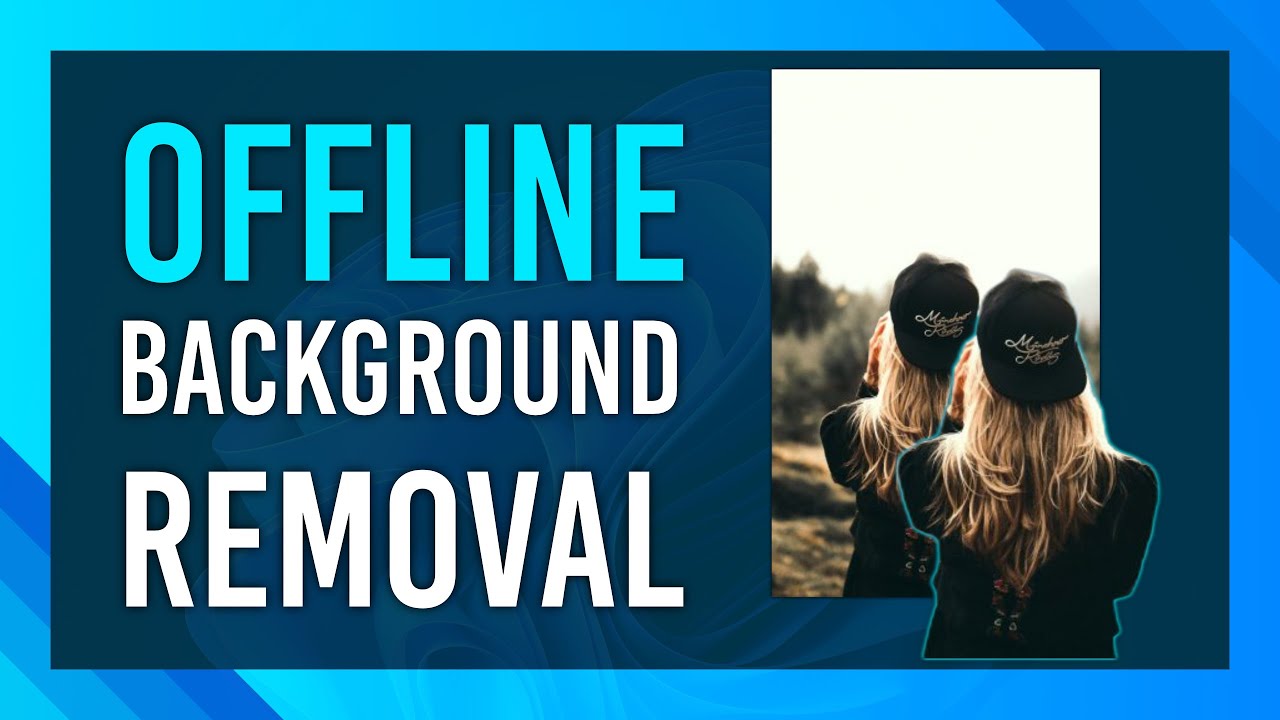
Create a clean background and natural shadow.Mask the product and place it on a pure white or branded color background. If your masking tool struggles, refine edges manually using the polygonal lasso and feathering. Add a subtle drop shadow or reflection layer to ground the product. Ask yourself: does this shadow look natural? If not, tweak opacity and blur until it matches the lighting direction of the original photo.
Set your working space to sRGB for web use. Use eyedropper tools to sample product tones and ensure they remain true after edits. Export a proof JPG and view it on phone and desktop to confirm colors look correct.
Export with platform-ready settings.Save a master high-resolution PNG or TIFF in your EDITS folder. Export web-friendly JPGs for e-commerce with quality around 80-90 to keep file size down while preserving details. Include metadata in the file that documents licensing where applicable (see tools section for how to embed license proof).
Keep records and use consistent naming and presets.Store license receipts, original source links, and release forms in a LICENSES folder. Create export presets so every product listing uses identical dimensions and compression. Why does this matter? Consistency builds trust and prevents accidental reuse of unlicensed previews or watermarked templates.
Avoid These 7 Mistakes That Leave Watermarks or Poor Quality in Your Final Images
Which common errors trip people up, and how do you avoid them?
- Using preview images with watermarks. Many stock sites show watermarked previews. Don’t assume a preview is license-free. If the file shows a watermark, either buy the asset or replace it with a CC0 alternative. Failing to keep license proof. If a platform questions your rights, you need receipts or screenshots. Save them immediately. Relying on free background removal at low resolution. Free automatic tools sometimes output tiny files or include limitations. If you need high resolution, budget for a paid export credit or use manual masking in Photopea/GIMP. Not checking template elements. Free templates can include premium elements that add watermarks at export. Before you publish, remove or replace those elements. Over-compressing for web. Cranking JPG compression saves bandwidth but introduces artifacts and hides detail. Use 80-90% quality for e-commerce. Ignoring color profiles. Exporting in the wrong profile can change product color on customer screens. Stick to sRGB for the web. Attempting to remove someone else’s watermark. This can expose you to legal trouble. Do you know a safe alternative? Purchase the license, source a free replacement, or reshoot the product yourself.
Pro Image Strategies: Advanced Techniques for Legal, High-Quality Product Shots
Ready to go beyond the basics? These strategies improve speed, consistency, and legal safety.
1. Implement a repeatable lighting recipe
Create a one-page recipe for each product category: light positions, exposure settings, reflector placement, and camera angle. Save time by reproducing the same look across SKUs.
2. Use color calibration and LUTs
Why do brands create a consistent tone across product photos? Use a small color checker or gray card when shooting. Create a custom LUT in your editor to apply the brand look consistently across images.
3. Batch processing and export automation
In Photopea or GIMP you can apply actions or scripts. Set up a batch to resize, managementworksmedia.com straighten, sharpen, and export. This saves hours when you have dozens of SKUs.
4. Licensing strategy
Do you buy assets piecemeal or subscribe to a plan? For frequent use, an affordable microstock subscription or an annual Canva/Canva Pro plan (with a clear commercial license) can be cheaper than buying single assets repeatedly. When in doubt, purchase the extended license to avoid limits on print or resale.
5. Build your own asset library
Over time, collect clean backgrounds, shadow PNGs, and non-premium mockups you can reuse. Keep a catalog with tags for orientation, color, and use case.
6. Model and property releases
If your photos include people or private property, gather signed releases upfront. That prevents takedown requests months later.
When Free Tools or Templates Let You Down: Fixes and Next Steps
What if you publish an image and later discover a watermark, low-res export, or license question? Here’s a practical troubleshooting playbook.
- Find the source of the asset. Where did it come from? Check your LICENSES folder for purchase receipts or the original download page. Contact the provider or platform. If you mistakenly published a watermarked preview, explain the situation and ask for a paid license or replacement asset. Many platforms offer retroactive purchase options. Replace the asset rather than trying to hide the watermark. Replace the background or element with a licensed or self-created alternative and re-export. If quality is low, re-export from the master file. Exporting repeatedly from a compressed JPG degrades quality. Always export web files from your high-res master. Document the change. Keep a log of what you replaced, when, and why. This helps if a platform questions you later. When in doubt, reshoot. Reshooting takes time, but it gives you original, watermark-free assets and absolute control over color and composition.
Tools and Resources
Tool Primary Use Cost Photopea Photoshop-like editor in browser, PSD support Free, optional premium GIMP Desktop photo editor, advanced masking, free Free remove.bg Quick background removal - free low-res, paid high-res Free (low-res) / Pay as you go Unsplash / Pexels / Pixabay Free stock images with permissive licenses Free Canva (Pro) Templates and assets with commercial licenses (Pro) Subscription Snapseed Mobile photo editing FreeFinal checklist before you publish
- Does every image show exactly what the customer will receive? Do you have a clear license for every external asset used? Are colors checked on both phone and desktop? Have you exported a high-res master and web-optimized versions? Did you save license proof and original files in a safe folder?
Do you still have questions about a specific tool, license type, or setting? Ask which platform you sell on and what device you use to shoot, and I can give a targeted checklist or an export preset you can apply right away.